
The best dog food for senior dogs in 2026 (and what ‘senior’ actually means)
“Senior” is a marketing line, not a developmental stage. There’s no AAFCO life stage called senior. The classification is whatever the brand decides, and most brands draw the line at 7 years for small breeds and earlier (5 to 6) for large and giant breeds, where the lifespan is shorter.
What actually changes in an older dog:
| Change | What it means for feeding |
|---|---|
| Energy needs drop, sometimes by 20% | Same dog, same weight, less calorie burn. Without portion adjustment they get fat. The feeding portion guide covers the rib check. |
| Muscle mass drops | Older dogs need more high-quality protein per pound, not less. The ‘low protein for old dogs’ idea was a 1980s holdover. |
| Joint function declines | Glucosamine and chondroitin in food helps a little. A real joint supplement at therapeutic dose helps more. |
| Cognitive function declines in some dogs | Bright Mind from Purina (MCTs) and Hill’s Science Diet 7+ have published cognitive benefit data. |
| Thirst drive can decrease | Wet food, fresh food, or kibble with added water can help maintain hydration. |
What we look for in a senior food
- Maintained protein content. 25%+ on a dry matter basis. The “low protein for seniors” belief is outdated and contributes to muscle loss.
- Glucosamine and chondroitin included, even if a separate supplement is also used.
- Omega-3 fatty acids from named fish sources (salmon oil, fish meal) for joint and skin support.
- Cognitive support ingredients for the brands that have actual evidence: medium-chain triglycerides (Bright Mind) or specific antioxidant blends.
- Slightly reduced calorie density compared to standard adult food, since most seniors are less active.
How to use this list
These rankings are strongest when you use them as a shortlist, not a blind final answer. Start with the top options, then compare life stage, protein fit, calorie density, ingredient profile, and the live offers we currently track before buying.
Last updated April 9, 2026. Ranking logic and editorial safeguards are explained in our methodology.
-
#1
Hill’s Science Diet
Senior 7+ Chicken Meal, Barley & Rice
$7.93/dayWhy this pick made the list
- AAFCO profile: adult maintenance
- Chicken led protein profile
- Crude protein: 26.0%
-
#2
Purina Pro Plan
Bright Mind Adult 7+ Chicken & Rice
$7.93/dayWhy this pick made the list
- AAFCO profile: adult maintenance
- Chicken led protein profile
- Crude protein: 26.0%
-
#3
Orijen
Senior Recipe
$13.26/dayWhy this pick made the list
- AAFCO profile: adult maintenance
- Multi-Protein led protein profile
- Crude protein: 26.0%
-
#4
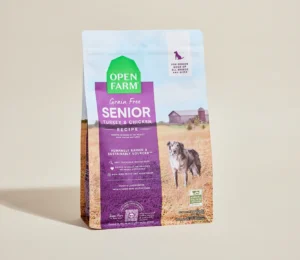 Open Farm
Senior Grain-Free Homestead Turkey & Chicken
$13.26/dayWhy this pick made the list
- AAFCO profile: adult maintenance
- Multi-Protein led protein profile
- Crude protein: 26.0%
-
#5
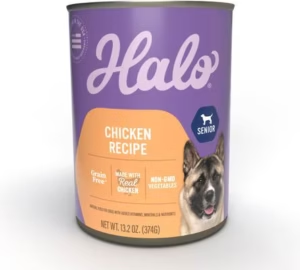 Halo
HaloHolistic Senior Chicken Recipe
Why this pick made the list
- AAFCO profile: adult maintenance
- Chicken led protein profile
- Crude protein: 26.0%
-
#6
Victor
Purpose Senior Healthy Weight
$7.28/dayWhy this pick made the list
- AAFCO profile: adult maintenance
- Chicken led protein profile
- Crude protein: 26.0%
Quick questions about this list
Are these rankings influenced by affiliate payouts?
No. Merchant links may earn Dog Food Buyer a commission, but the ranking logic and editorial review process sit separately from affiliate payouts.
Should the #1 pick be the right choice for every dog?
No. The top slot is the strongest all-around fit within the data we currently track, but breed size, sensitivities, calories, and ingredient fit still matter at the dog level.
What should I do after narrowing the list?
Open the finalists, review the evidence snapshot and ingredient profile, and use the comparison tool for any two recipes you are seriously considering.