
The best weight management dog food in 2026 (and why most overweight dogs don’t need a special bag)
Most overweight dogs can be managed by feeding less of whatever food they’re already on. Treats and table scraps are usually a bigger contributor than meal portion size, and cutting them in half is often more effective than switching to a “weight management” formula. The how much to feed your dog guide covers the rib check and portion calibration in detail.
Weight management formulas do have a real role for two situations. First, dogs who are perpetually hungry on cut portions and beg constantly. The higher fiber content of weight formulas increases satiety, so the same calorie intake feels like more food. Second, dogs whose owners genuinely won’t comply with portion control. A weight management food with built-in calorie reduction is a more honest answer than asking the owner to weigh kibble in grams.
What we look for in a weight management formula
- Maintained protein content. 25%+ on a dry matter basis. Cutting protein along with calories causes muscle loss instead of fat loss.
- Moderate fat reduction. Down to roughly 8 to 10% versus 14 to 18% in standard adult food. Not zero.
- Higher fiber for satiety. Beet pulp, pea fiber, or similar at meaningfully higher inclusion than standard food.
- L-carnitine inclusion. Supports fat metabolism. Standard in most modern weight formulas.
- Same vitamin and mineral profile as standard food. Calorie reduction without nutrient reduction.
How to use this list
These rankings are strongest when you use them as a shortlist, not a blind final answer. Start with the top options, then compare life stage, protein fit, calorie density, ingredient profile, and the live offers we currently track before buying.
Last updated April 9, 2026. Ranking logic and editorial safeguards are explained in our methodology.
-
#1
Hill’s Science Diet
Adult Perfect Weight Chicken Recipe
$7.38/dayWhy this pick made the list
- AAFCO profile: adult maintenance
- Chicken led protein profile
- Crude protein: 25.0%
-
#2
Hill’s Prescription Diet
w/d Multi-Benefit
Why this pick made the list
- AAFCO profile: adult maintenance
- Chicken led protein profile
- Crude protein: 25.0%
-
#3
Purina ONE
Plus Healthy Weight
$4.82/dayWhy this pick made the list
- AAFCO profile: adult maintenance
- Turkey led protein profile
- Crude protein: 25.0%
-
#4
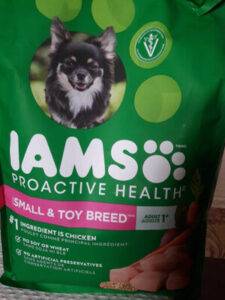 Iams
IamsProActive Health Healthy Weight
$4.82/dayWhy this pick made the list
- AAFCO profile: adult maintenance
- Chicken led protein profile
- Crude protein: 25.0%
-
#5
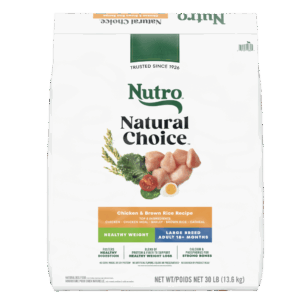 Nutro
NutroNatural Choice Healthy Weight Chicken & Brown Rice
$7.38/dayWhy this pick made the list
- AAFCO profile: adult maintenance
- Chicken led protein profile
- Crude protein: 25.0%
-
#6
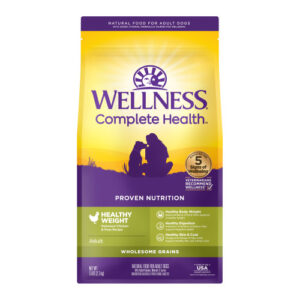 Wellness
Complete Health Healthy Weight
$6.78/dayWhy this pick made the list
- AAFCO profile: adult maintenance
- Chicken led protein profile
- Crude protein: 25.0%
-
#7
Purina Beneful
Healthy Weight With Farm-Raised Chicken
Why this pick made the list
- AAFCO profile: adult maintenance
- Chicken led protein profile
- Crude protein: 25.0%
-
#8
Diamond Naturals
Light Adult Dog Chicken & Rice
$6.78/dayWhy this pick made the list
- AAFCO profile: adult maintenance
- Chicken led protein profile
- Crude protein: 25.0%
Quick questions about this list
Are these rankings influenced by affiliate payouts?
No. Merchant links may earn Dog Food Buyer a commission, but the ranking logic and editorial review process sit separately from affiliate payouts.
Should the #1 pick be the right choice for every dog?
No. The top slot is the strongest all-around fit within the data we currently track, but breed size, sensitivities, calories, and ingredient fit still matter at the dog level.
What should I do after narrowing the list?
Open the finalists, review the evidence snapshot and ingredient profile, and use the comparison tool for any two recipes you are seriously considering.